
Last updated September 10, 2026
Full 25-point door and opener safety check with every visit - springs, cables, rollers, tracks, and your LiftMaster or Chamberlain opener included
You get a price before we start. It does not change when the truck arrives.
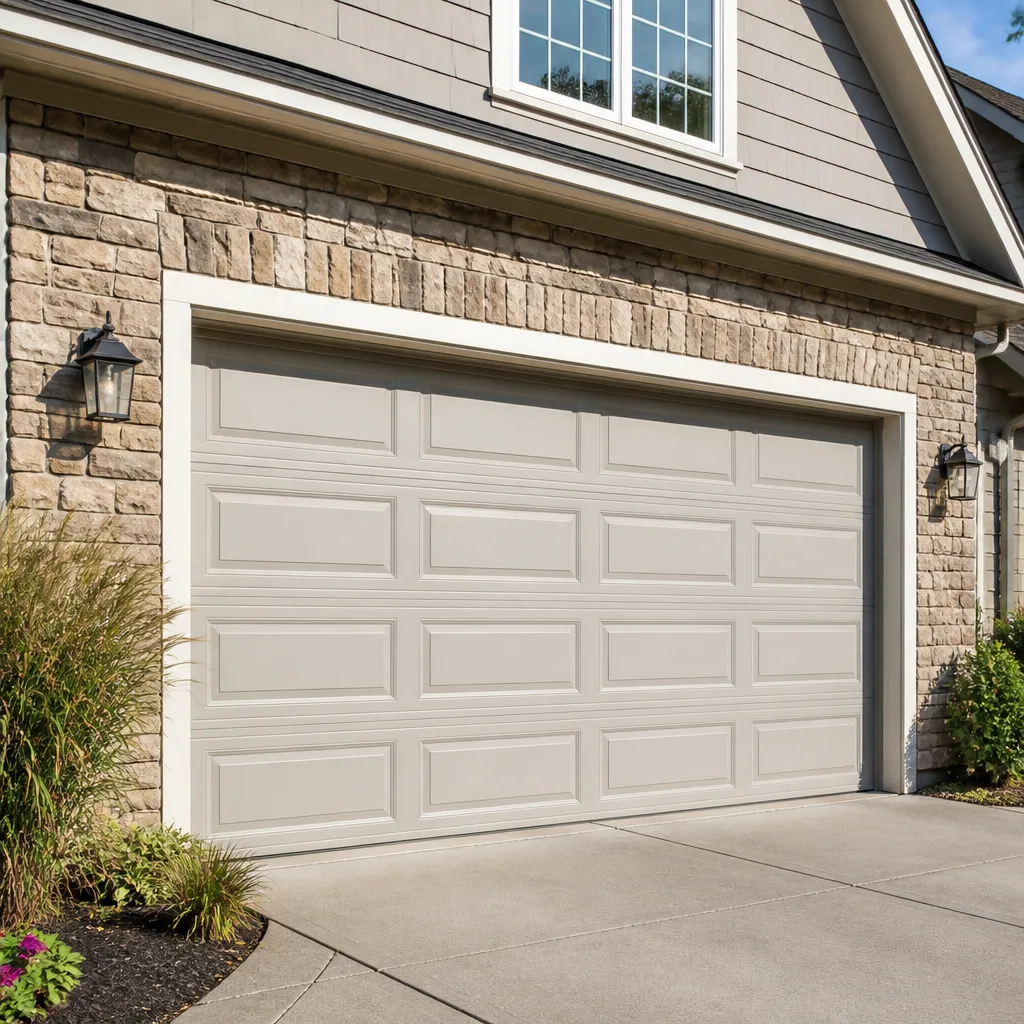
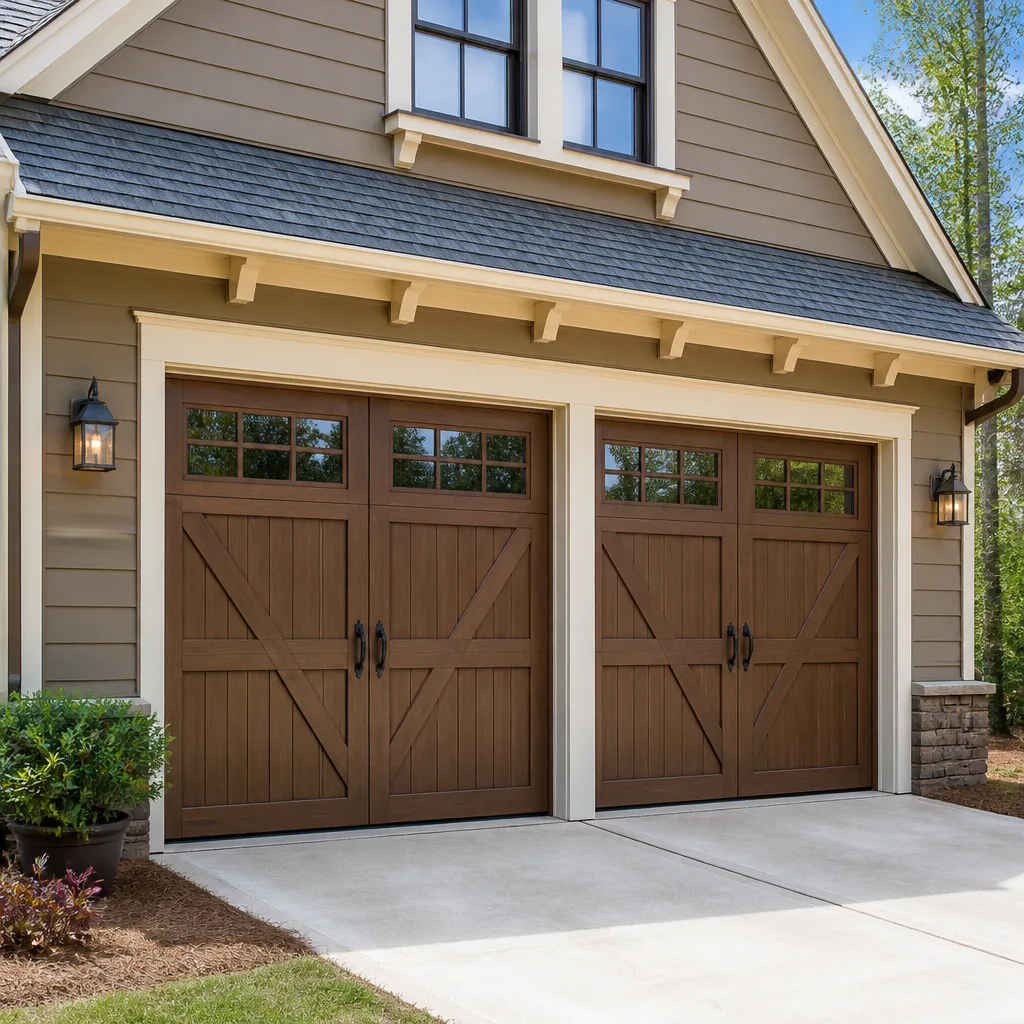
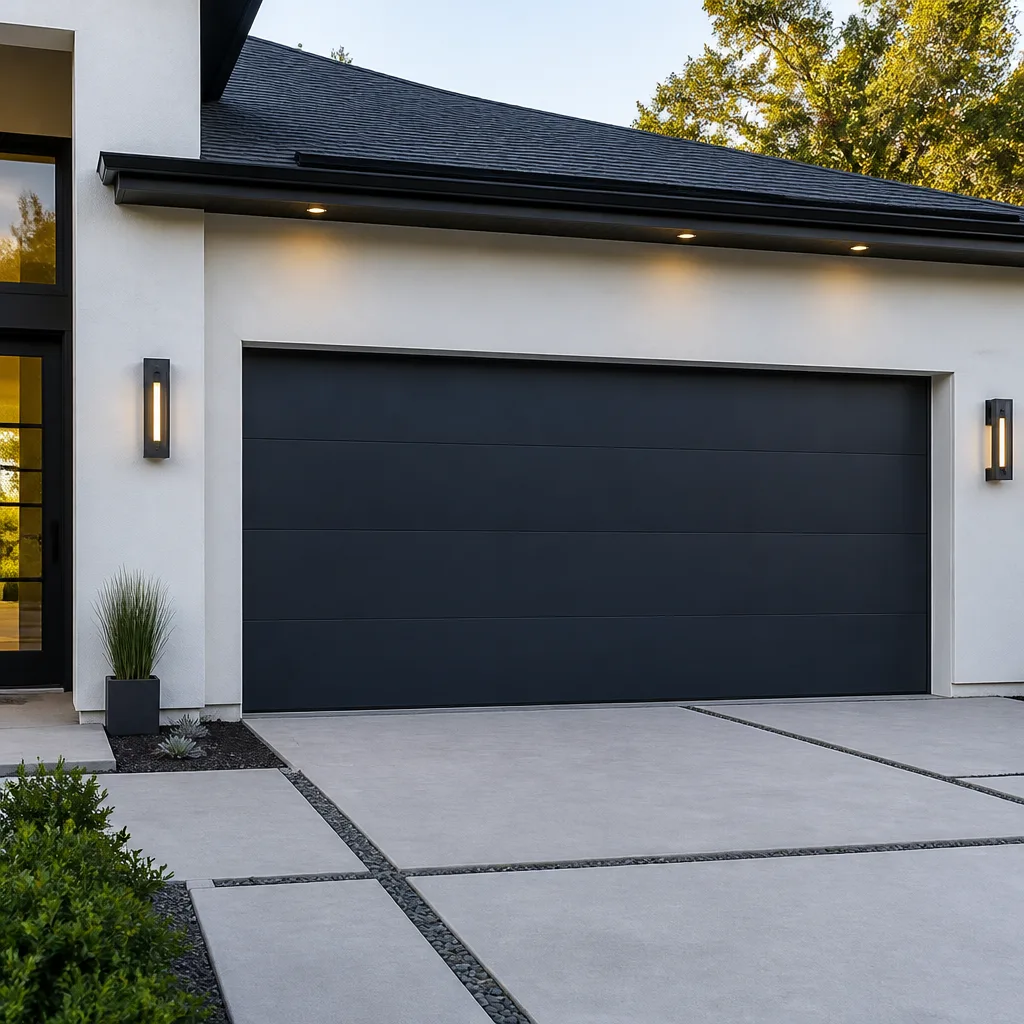

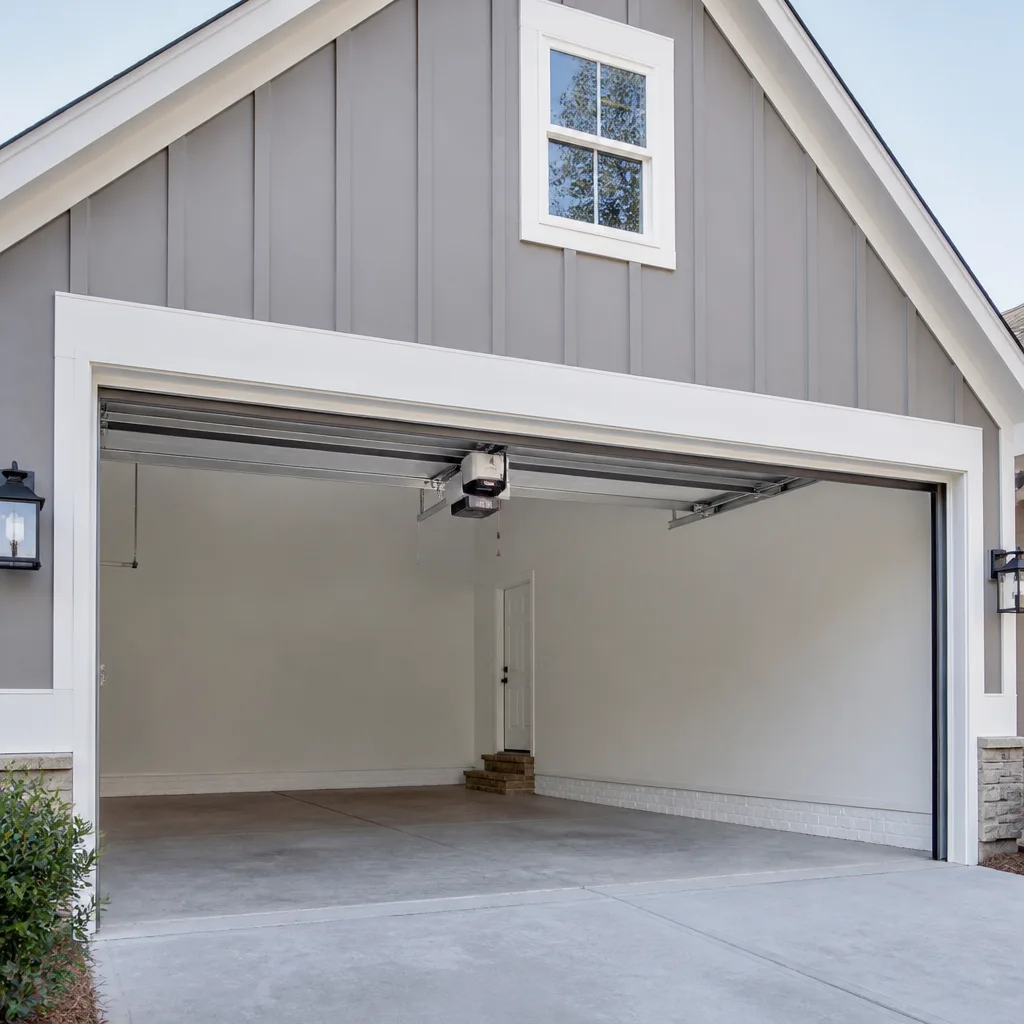
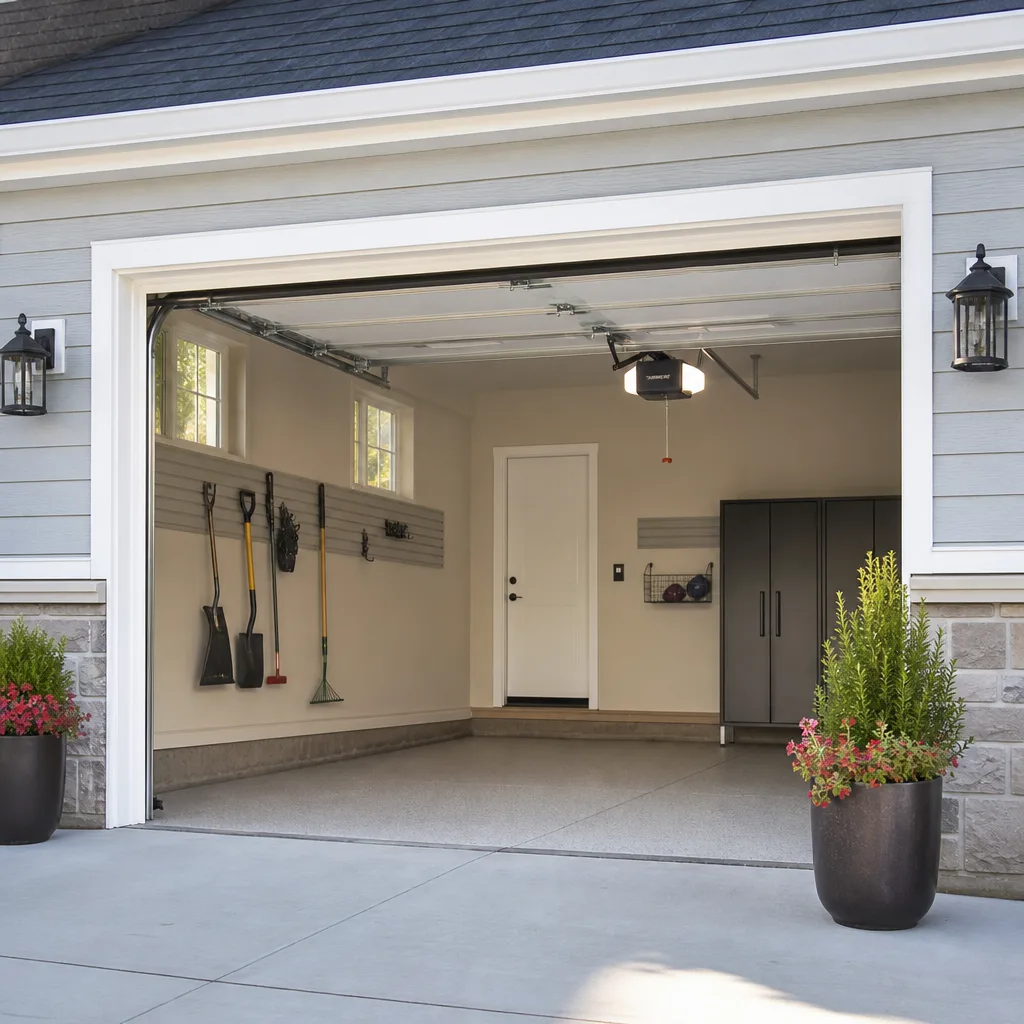
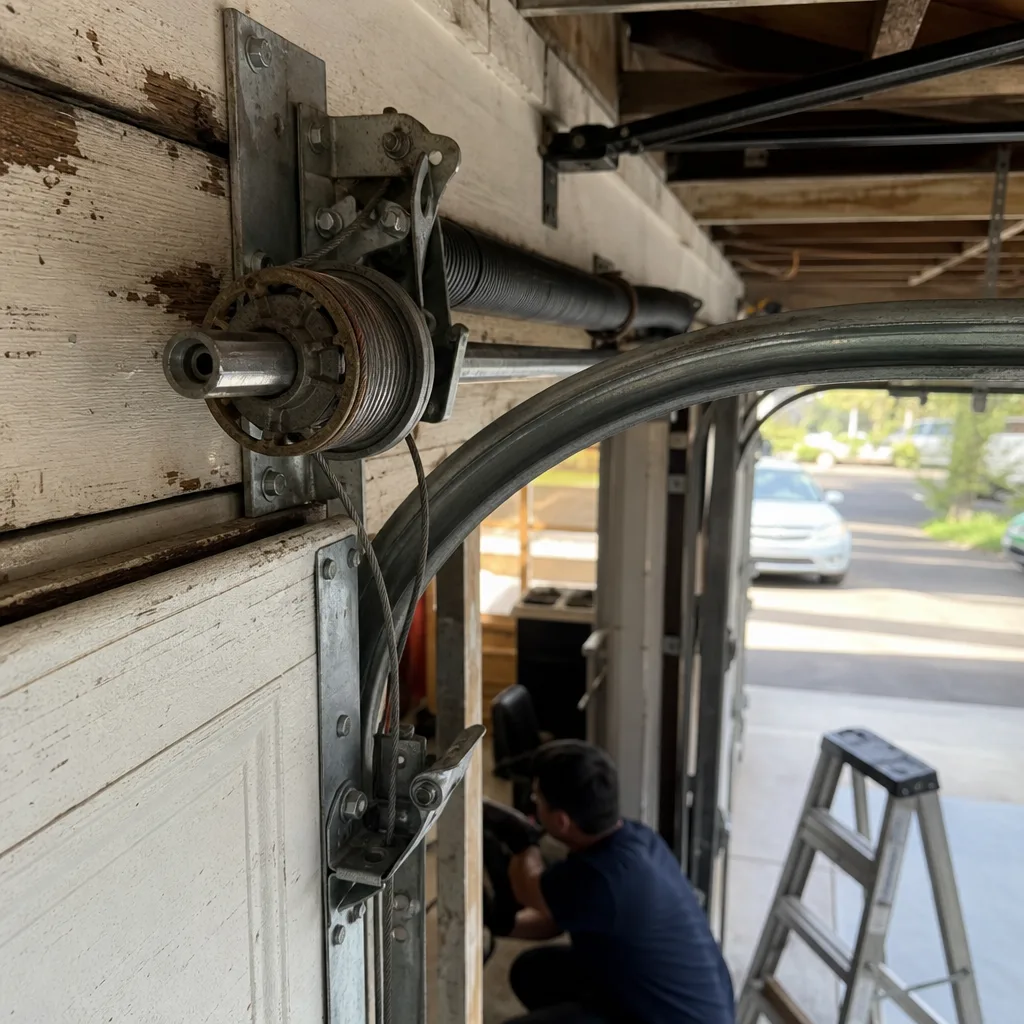 Before
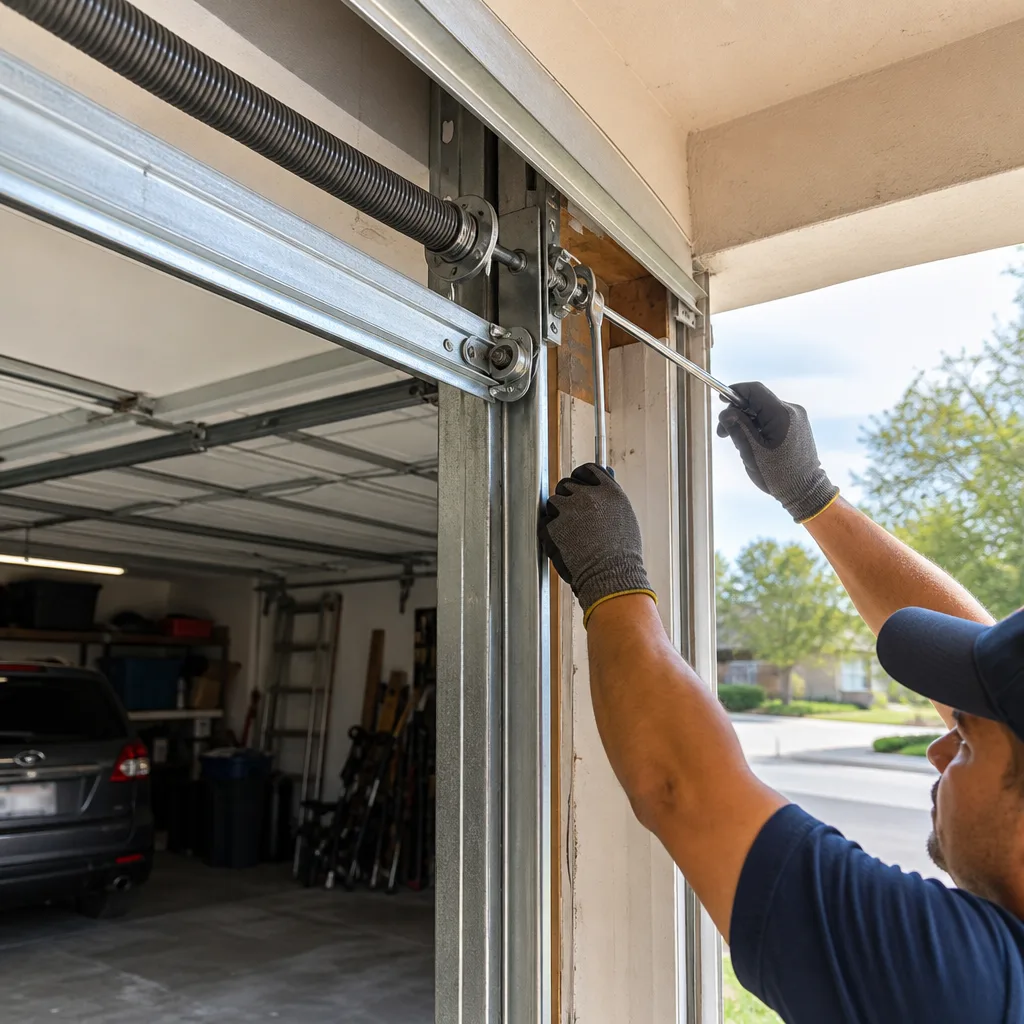 After
After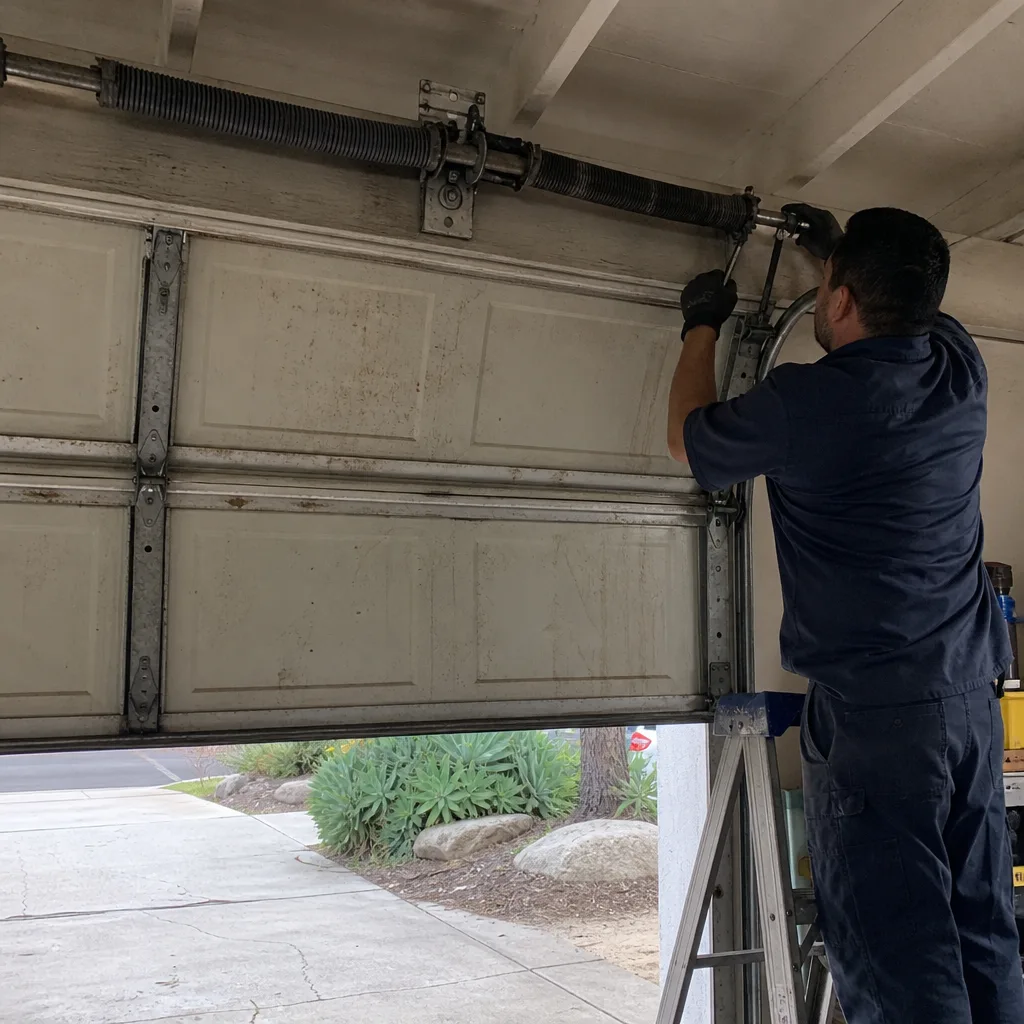 Before
 After
After Before
 After
AfterGarage Door Permits, Codes & Inspections in CA: What You Need to Know
Last year, a home sale in Poway nearly fell apart over a garage door. The seller had replaced an old wooden door with a modern steel one five years earlier, never thought twice about it, and then the buyer’s lender flagged the missing permit during escrow. The sale survived, but it cost the seller about $1,400 in retroactive fees and a three-week delay while the paperwork got sorted. Most California homeowners have no idea whether their garage door needed a permit until it’s too late, and the rules are more situational than anyone admits up front. This guide maps the actual decision tree, so you know exactly where you stand before the first screw comes out.
Quick Answer
Most straightforward garage door replacements in California do not require a permit, but three specific conditions always do: structural header changes, creating a new rough opening, or altering a fire-rated assembly between an attached garage and living space. Repairs and opener swaps almost never require permits. If you’re buying or selling a home, check the permit history through San Diego County records before you close, because an unpermitted door can freeze escrow and complicate title insurance; our Garage Door Warning Signs: A Poway Homeowner’s Reference Guide covers other red flags to watch for.
Table of Contents
- When a Garage Door Permit Is Required in California
- When a Permit Is NOT Required
- How Poway’s Municipal Code Overlays State Requirements
- The California Building Code Sections That Actually Apply
- How to Verify Permit Status on a Home You’re Buying or Selling
- What an Unpermitted Garage Door Actually Risks Beyond Fines
- The Inspection Process Step by Step
- What Permits and Inspections Cost in Poway and San Diego County
When a Garage Door Permit Is Required in California
Permit requirements hinge on scope. If the work touches the structure or the fire separation between garage and house, you need a permit. If you’re only swapping hardware, you don’t. Here’s the breakdown, based on what we’ve handled for homeowners in Poway over the past two decades.
A permit is required when any of these apply:
- The header above the door is being altered or replaced. A header carries the load of the wall and roof above the garage opening. If your new door is wider or taller than the old one and the header has to be re-engineered, that’s structural work. The city wants an engineer’s stamp and an inspector’s sign-off.
- The rough opening itself is changing. Enlarging a single-car opening to fit a double door, or relocating an opening entirely, means cutting into load-bearing framing. This triggers plan review and a building permit.
- The door is part of a fire-rated assembly. This is the one that trips people up. In any California home with an attached garage that shares a wall or ceiling with living space, that wall is a fire separation. If your garage door is in that wall, it’s required to meet specific fire-resistance ratings. Swapping a non-rated door into a rated opening without a permit is a code violation. This is common in older Poway homes where garages were converted or extended.
- The door is being added where there wasn’t one before. A new rough opening, a new header, a new opening in an exterior wall: that’s new construction, not replacement. Permit is non-negotiable.
One clarification that saves people a lot of money: “new door” and “replacement door” are not the same thing in code language. A replacement door fits the existing opening with no structural change. A new door means the opening itself is being created or modified. Homeowners confuse the two all the time, and contractors sometimes don’t correct them. If you’re buying from our installation page, you’ll see we distinguish clearly because that distinction is what determines whether you’re filing paperwork before or just scheduling a truck.
When a Permit Is NOT Required
Most garage door work in Poway falls on the no-permit side of the line. Here’s what you can do without filing anything with the city:
- Replacing an existing door with a same-size door. If the new door fits the existing rough opening and the existing header stays intact, no permit. This is true whether you’re swapping a wood door for steel or upgrading to an insulated Amarr or Clopay model.
- Replacing the opener, rails, springs, cables, rollers, or hinges. These are mechanical components, not structural or fire-safety elements. California treats them as maintenance. The motor’s horsepower, the rail length, the type of torsion spring: none of it changes the code classification of the opening.
- Adding an opener where none existed. Electrical work can require a permit in some cases, but a standard 120-volt garage door opener plugged into an existing ceiling outlet does not. If you need a new circuit run from the breaker panel to the garage, that’s an electrical permit; the opener itself is not.
- Repairing a damaged panel or track. Even full panel replacement on an existing door falls under repair. The structural frame of the opening was never touched.
The rule of thumb: if what you’re doing leaves the framing, the fire rating, and the opening size exactly as they were, you’re on the no-permit side. The minute the opening changes or the wall assembly gets opened up, the city gets involved. We tell every customer the same thing before quoting: let’s determine which side of this line you’re on first, because it changes the timeline and the price.
How Poway’s Municipal Code Overlays State Requirements
California adopts the California Building Code (CBC), which is based on the International Residential Code with state amendments. Every city in San Diego County enforces the CBC, but some add local overlays. Poway is a charter city, meaning it administers its own building department rather than relying on the county. That matters for one practical reason: the interpretation of state code can vary from one counter to the next.
Poway’s residential building standards largely mirror the CBC without adding unusual garage-door-specific rules, but there are a few things we’ve learned from working in the city since 2004:
- Setback and aesthetic review in some neighborhoods. Poway’s rural residential zones, particularly north of Poway Road and up toward the Green Valley area, have development review requirements that can apply to garage door changes that are visible from the street. A door that significantly changes the front elevation of the home may trigger a design review even if no building permit would otherwise be required. This mostly affects custom doors, not standard replacements.
- Fire severity zones matter. Portions of Poway fall within the city’s Very High Fire Hazard Severity Zone, particularly around Old Poway and the areas backing up to open space. In those zones, garage door materials that face the street or the canyon can be subject to additional ignition-resistant standard requirements under Chapter 7A of the CBC. If you’re in one of these zones and your replacing an existing door, the replacement should meet whatever the original was approved for, and at minimum should not reduce the fire resistance of the assembly.
- The city counter is genuinely helpful. This is not true everywhere. Some building departments make you wait in line to be told to read a PDF. Poway’s planning and building staff are used to working with homeowners, and they’ll tell you over the phone whether your job needs a permit. We call them ourselves when a job sits in a gray area. It takes ten minutes and it settles the question before money gets spent.
The board answer to “does Poway require a permit for a garage door replacement?” is the same as the state to answer: no, unless the structure or fire assembly changes. But the local overlay means you can’t always assume a generic California answer applies exactly. If your home is in a fire hazard zone or a rural residential designation in Poway, check with the city before ordering a custom door.
The California Building Code Sections That Actually Apply
If you’re the kind of homeowner who wants chapter and verse, here are the specific sections of the 2022 California Residential Code (CRC) that govern garage door work. These are the ones inspectors actually reference, and they’re the ones title companies and lenders cite when a permit issue comes up during escrow.
CRC Section R309.1 – Fire Separation. This is the big one. It requires that any garage attached to a dwelling unit be separated from the residence by walls and ceilings that meet specific fire-resistance standards. If your garage door serves as part of that fire separation assembly, it needs to meet the performance requirements for fire-rated construction. A standard non-rated residential garage door in an opening that’s supposed to be rated is a code violation.
CRC Section R309.2 – Duct Penetration. Less directly about doors, but it governs the separation between garage and house, including any penetrations through that wall. If you’re enlarging or relocating a garage door opening and it intersects with the fire separation wall, this section applies in full.
CRC Section R311 – Means of Egress. Garage doors can serve as a required means of egress in certain configurations, most commonly when the garage is attached to a bedroom or auxiliary living space. If so, the door opening dimensions and operation have to meet egress requirements. Expanding or relocating a door opening can trigger egress review.
CRC Chapter 7A – Materials and Construction Methods for Exterior Wildfire Exposure. Applies only in fire hazard zones. In Poway, check your zone first. If you’re in a Chapter 7A zone, garage doors on certain exposures must meet ignition-resistant standards. This governs door material and glazing choices.
CRC Section R105.1 – Permits Required. The general permit section. It lists the types of work that require a permit. Structural changes, opening reconfiguration, and fire separation alterations are all enumerated here. Straight component replacement is not.
These sections are consistently applied across San Diego County, but Poway’s overlay and fire-hazard geography mean a specific address can tip one way or another. This is the exact decision tree we walk through with customers: no change to structure, no change to fire assembly, no new opening – no permit. Any one of those three changes, and the CBC sections above come into play.
How to Verify Permit Status on a Home You’re Buying or Selling
Whether you’re the buyer or the seller, checking the permit history on a garage door should be part of your due diligence. It takes less than an hour, and it can prevent the exact situation that Poway seller faced: a frozen escrow and a five-figure panic.
Here’s how to check, step by step:
- Start with San Diego County’s online records. The county maintains a searchable permit database for unincorporated areas, and Poway feeds into county records for certain permits even though the city issues its own. Go to the San Diego County Planning & Development Services (PDS) website and search the property address. This pulls building permits, mechanical permits, and code enforcement actions.
- Check with the City of Poway Building Division directly. Poway’s city building department has its own records. You can call or visit the counter and ask for the permit history on the address. Be specific: “I’m checking whether permits were pulled for garage door replacement, garage door installation, or related structural work.” They can run the address and tell you what’s on file.
- Ask for the permit number, not just a yes or no. If a permit was pulled, get the number and the date. If the seller says the work was permitted but can’t produce the number, verify it yourself before you accept that.
- Pull the final inspection record. A permit that was issued but never given final inspection can be as much of an issue as no permit at all. Ask whether the permit has a signed final inspection on file. If it doesn’t, that’s a flag.
- Cross-check with your title company. During escrow, the title company runs a records search, but they may not specifically look for garage door permits unless you ask. Ask them to include building permit history on the garage in their records search.
If the search turns up nothing and the home has a garage door that’s clearly newer than the house, that doesn’t automatically mean trouble. It could mean the door was a straight replacement that didn’t require a permit – which, as we covered, is legal. But it also could mean someone did structural work without pulling permits. If you can’t tell which, that’s a question worth asking before you sign. This exact scenario shows the value of our repair and inspection experience in Poway: we’ve seen enough unpermitted work to know what questions to ask.
What an Unpermitted Garage Door Actually Risks Beyond Fines
The code enforcement fine is the least of your problems. Fines in Poway typically run a few hundred dollars per violation, and the city’s first response to unpermitted work is usually a corrective notice, not a lien. The real risks are more expensive and more structural.
Here’s what’s actually at stake:
- Insurance claim denial. If the unpermitted work is related to a claim – a door that fails and causes injury, or a garage fire that ignites through a non-compliant fire assembly – the insurer can deny the claim on the basis that the unpermitted work constitutes an undisclosed material change to the property. We’ve watched homeowners learn this the hard way. The door was fine for years. It’s the claim that surfaces the problem.
- Title complications. Title insurance protects against defects in the chain of title, but unpermitted work that creates a code violation can cloud a title when the property transfers. Some title insurers will flag it. Some buyers’ lenders will flag it. That’s what happened in the Poway escrow story that opened this guide: the lender required the permit to be cleared retroactively before it would fund.
- Resale negotiation leverage. Once a buyer discovers unpermitted work, they have leverage. They can demand a credit, a price reduction, or a delay to resolve it. Sellers in that position don’t negotiate from strength.
- Retroactive permit costs are always higher. If you need to permit work after the fact, you’ll pay the original permit fee plus a penalty multiplier, and depending on scope, you may need to expose parts of the installation for inspection. That’s how a $250 permit becomes a $1,400 correction.
- Liability exposure. If the unpermitted door fails and injures someone, the homeowner’s liability is harder to defend. The absence of an inspection record is the first thing an attorney will point to.
In our experience, most unpermitted garage door work in Poway is not the result of bad intentions. It’s the result of a homeowner or a less experienced contractor not knowing that a structural change or fire-separation alteration triggers a permit. The moment someone cuts into the framing or changes the opening dimensions, the job changed classification. What started as a “door swap” became a structural alteration, and nobody stopped to ask the question.
The Inspection Process Step by Step
If your garage door job does require a permit, here’s what to expect from the inspection process. We walk customers through this in Poway regularly.
- Submit the application. The contractor or homeowner files with the City of Poway building division. For a structural door change, you’ll typically need a simple plan or drawing showing the new opening dimensions and header sizing. An engineer’s stamp may be required if the header is being changed on a load-bearing wall.
- Pay the permit fee. Fees are calculated based on the valuation of the work. More on that in the next section, but for a structural garage door change with a new header, expect a few hundred dollars at minimum.
- Plan review (if required). Structural changes that involve a re-engineered header go through a quick plan review. This can take a few days to a couple of weeks depending on the city’s workload.
- Rough framing inspection. If the opening is being modified, the inspector arrives after the new header and jambs are in place but before the door is installed. They’re checking: header size and bearing, connections to the king studs, anchor bolt placement, and fire blocking. This inspection has to pass before the door goes in.
- Final inspection. After the door is installed, the inspector returns to verify: the door operates properly, the fire rating on the assembly matches the plan, safety sensors and auto-reverse function correctly, and the door meets any applicable Chapter 7A requirements if the home is in a fire hazard zone. They’ll also check the emergency release mechanism.
The inspector is not trying to fail you. Their job is to verify that the work meets code so that the next owner and the next insurer inherit a door that’s structurally sound and fire-safe. Most failed inspections happen on technicalities: a fire rating label that’s not visible, a safety sensor mounted too high, or a header that wasn’t dimensioned correctly on the approved plan. Prepare for the inspection by having the door’s fire rating label visible, the sensor height set to code (4 to 6 inches off the floor), and all relevant documentation in hand.
What Permits and Inspections Cost in Poway and San Diego County
Permit fees are not standardized across the state. They vary by jurisdiction, and within San Diego County they vary from city to city. Here’s what Poway homeowners can expect to pay, based on what we’ve seen on recent jobs.
Straight replacement: $0. No permit required, no inspection, no paperwork. This is the majority of what we do.
Structural change with header alterations: $300 to $800. This includes the permit fee, plan review surcharge, and inspection fees. The wide range is because Poway calculates fees on the project valuation. A simple header replacement on an existing opening sits at the low end. A new opening with an engineered header and fire-separation work pushes toward the high end.
Retroactive permit after the fact: 2x to 3x the original fee. California law allows local jurisdictions to charge double or triple the standard fee for work done without a permit. The $1,400 in the escrow story above was a retroactive permit plus penalty on a relatively simple replacement that had structural components.
Inspector re-inspection: $75 to $150. If you fail an inspection and need a second visit, most jurisdictions in the county charge a re-inspection fee. Poway’s is at the lower end of that range.
We quote permit fees as a separate line item on any job that requires them, and we include them in the written estimate before you sign anything. No surprises on the invoice. That’s been our practice since 2004, and it’s part of the reason our customers in Poway keep calling back for two decades.
Common Mistakes to Avoid
- Assuming every new door needs a permit. Most don’t. If the opening size and header are unchanged, you’re fine without one. Paying for a permit you don’t need is throwing money at a problem that doesn’t exist. Get the answer from the city before you spend.
- Assuming no door ever needs a permit. The opposite and more dangerous mistake. If the header changes, the fire assembly changes, or a new opening is created, that’s a building permit. Period. Some contractors will tell you it’s fine to skip it. It’s not.
- Confusing “fire-rated door” with “garage door that has some level of fire resistance.” These are different things. A true fire-rated assembly has specific construction and labeling. A standard residential steel door with an R-value label is not a fire-rated door. Don’t assume.
- Signing before checking permit history. In a real estate transaction, the time to check permit status is before you sign, not after the inspection period ends. Once escrow closes, the problem is yours.
- Skipping the final inspection after pulling a permit. Some homeowners pull the permit, do the work, and never schedule the final. That leaves an open permit on the property record, which the next buyer or lender can flag. Close the loop.
- Not considering the fire hazard zone overlay. In Poway, homes in Very High Fire Hazard Severity Zones may need ignition-resistant door materials under Chapter 7A. A door that’s fine on one side of Espola Road may not be compliant on the other. Check your zone.
- Guessing instead of calling the city. The Poway building department will answer the question. We call them before any job that’s in the gray zone. It’s a ten-minute call that saves hundreds in potential retroactive fees.
When to Call a Professional
If your door replacement touches the structure, don’t guess. A header calculation is not a handyman project, and fire separation work requires someone who knows what CRC Section R309 actually demands. If you’re planning a door that’s wider than the current opening, if your garage is attached and the wall is shared with living space, or if you’re in a Poway fire hazard zone and unsure whether Chapter 7A applies, this is the moment to get eyes on it before you order anything. See our How to Hire a Garage Door Contractor in Poway: A Step-by-Step Guide for what to look for in a qualified pro. Otto’s Garage Door offers free estimates in Poway and will check permit requirements as part of the job so you’re never filing retroactively; call (858) 330-1549. We’ve been at this in Poway since 2004, and we’ve never surprised a homeowner with a permit they didn’t know about.
Frequently Asked Questions
No, a straightforward replacement of a garage door into the existing opening with no structural changes does not require a permit anywhere in California. A permit is required if the rough opening changes size, the header is altered, or the fire-rated assembly between the garage and living space is modified. If you’re in Poway and unsure which category your job falls into, call the city building department or ask us to check. You can also browse more guides & resources on garage door permits, maintenance, and safety.
For a structural garage door change, permit fees in Poway typically run between $300 and $800 depending on the valuation of the work. Straight replacements cost nothing because no permit is required. If you need a retroactive permit for work completed without one, expect to pay double or triple the standard fee. Call (858) 330-1549 for a written estimate that includes any permit fees up front.
Yes, you can sell the house, but the unpermitted work creates a disclosure obligation and a negotiation liability. Many lenders will flag it and require resolution before funding, as one Poway seller learned when a garage door replacement without a permit delayed escrow by three weeks and cost $1,400 in retroactive fees. Fix it before listing, or price accordingly.
No, replacing or installing a garage door opener does not require a building permit when it plugs into an existing electrical outlet. If a new electrical circuit is required from the breaker panel to operate the opener, that electrical work may require a separate electrical permit. For openers in Poway, we handle the entire job and tell you if any electrical work falls outside what’s typically allowed.
A fire-rated garage door is a door tested and labeled to resist fire for a specific duration, typically 20 or 90 minutes, and is required when the door is part of the fire separation between an attached garage and living space. If your home has an attached garage sharing a wall with the house, that wall is a fire assembly and the door in it must maintain the assembly’s rating. Straight replacements must not reduce the fire resistance of the original installation.
Check the City of Poway’s Very High Fire Hazard Severity Zone map, available on the city website, or call the building department with your address. Homes in the city’s open-space-adjacent areas, particularly around Old Poway and the ridgelines, are often in designated zones. If you are, your garage door may need to meet Chapter 7A ignition-resistant material standards. We check this for every Poway job before quoting.
The Bottom Line
Permit requirements for garage doors in California come down to three questions: Did the structure change? Did the fire assembly change? Was a new opening created? Answer no to all three and you’re on the no-permit side, no matter how much the door itself cost. Answer yes to any one and the permit is required, full stop. If you’re buying, selling, or just trying to do right by the next owner, verify the permit history now instead of waiting for a lender or an insurer to do it later. In Poway, the city building department will give you the answer over the phone, and we’ll double-check it before the first tool comes off the truck. We are Otto’s Garage Door home, serving Poway since 2004, and we’d rather answer your questions honestly than sell you a door that creates problems tomorrow. For a free estimate and a straight answer on permit requirements, call (858) 330-1549.
Written by Otto Reinhardt, Owner at Otto’s Garage Door, serving Poway since 2004.