
Last updated September 10, 2026
Full 25-point door and opener safety check with every visit - springs, cables, rollers, tracks, and your LiftMaster or Chamberlain opener included
You get a price before we start. It does not change when the truck arrives.
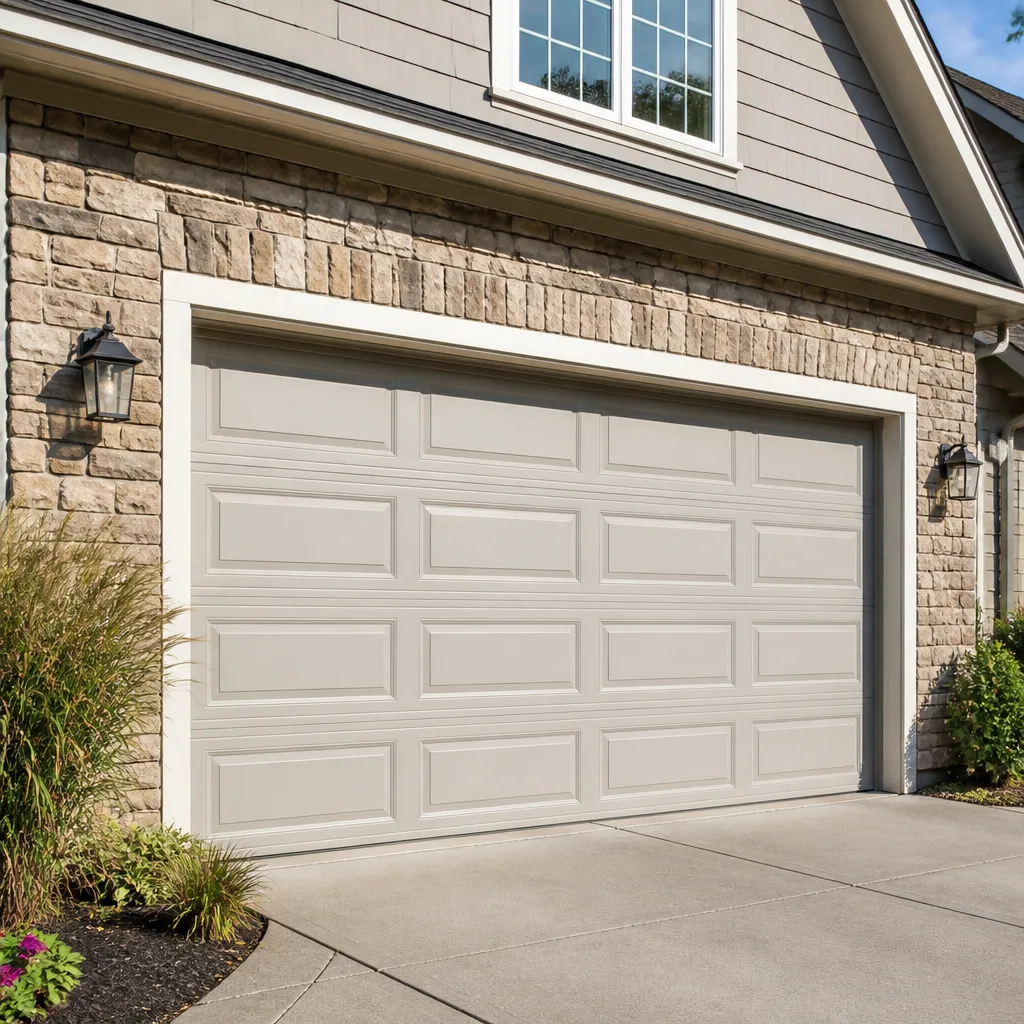
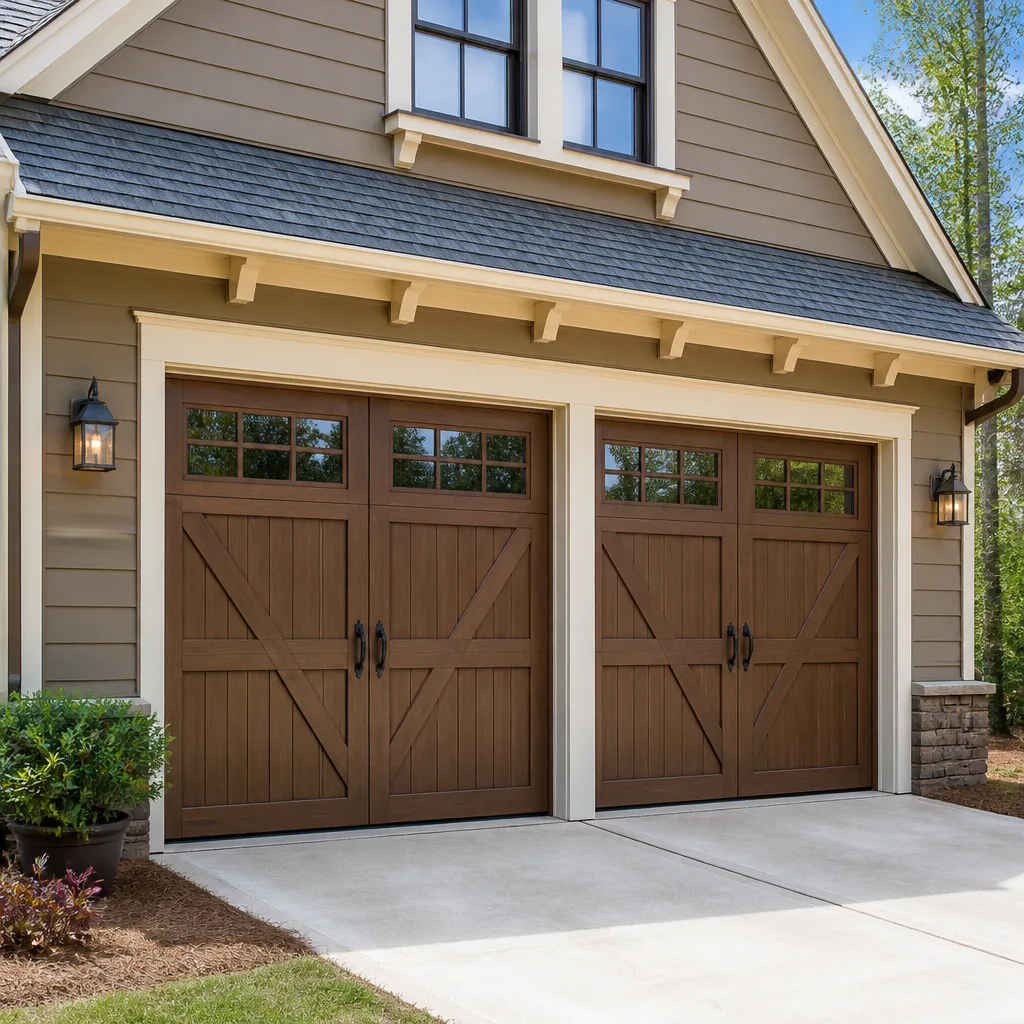
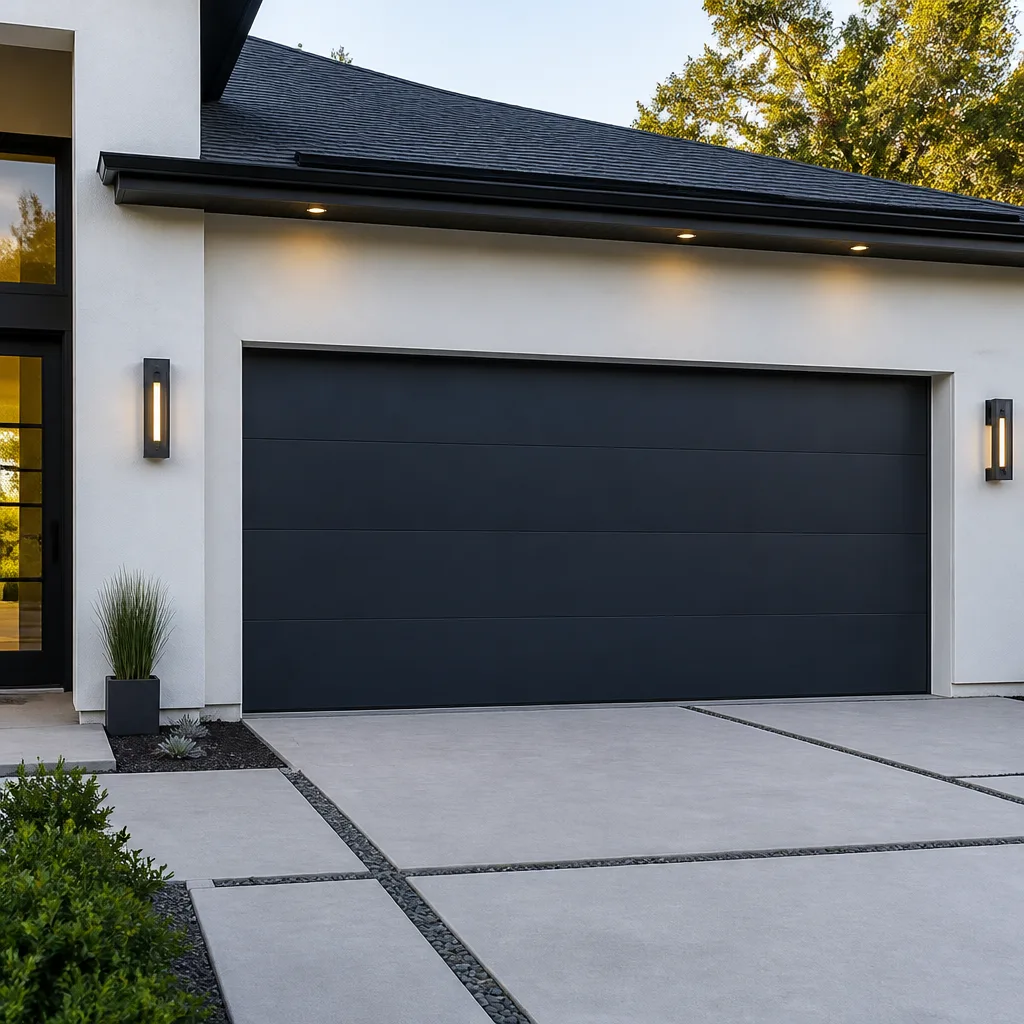
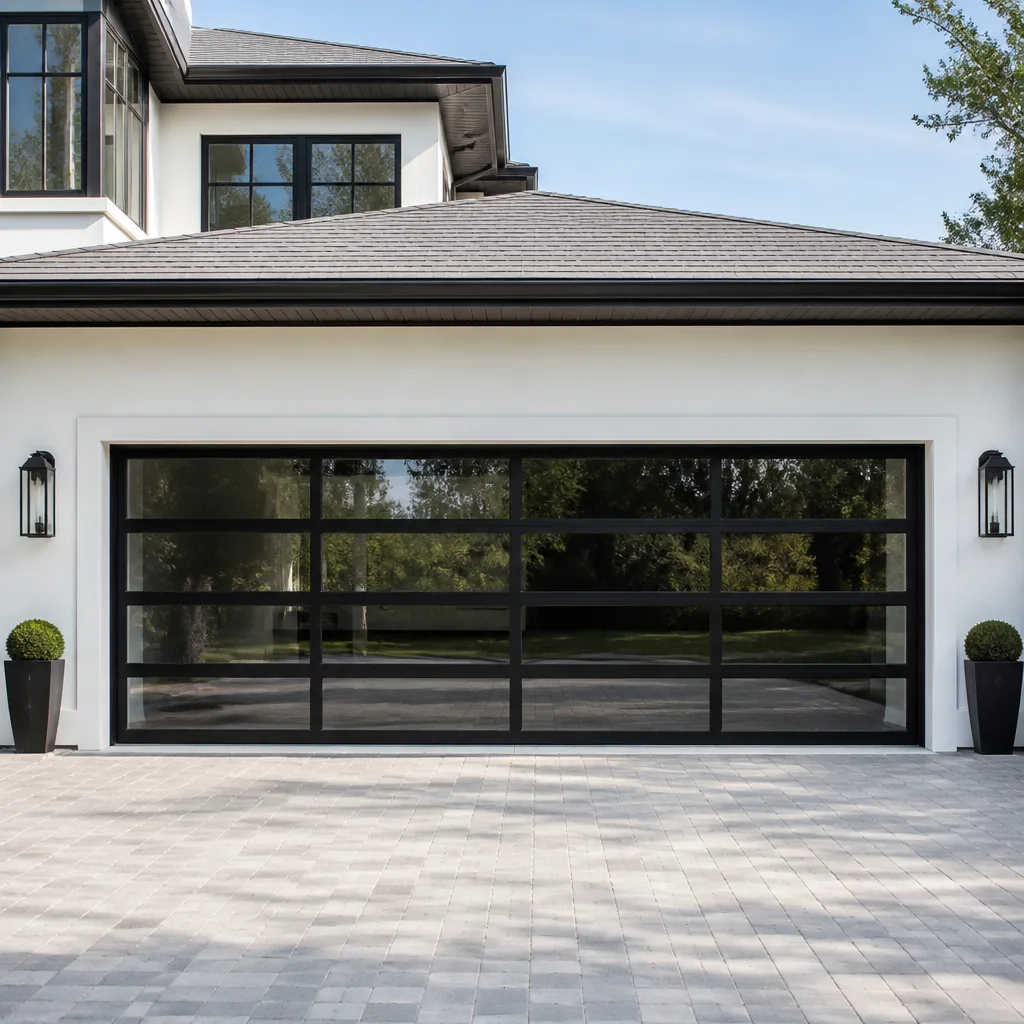
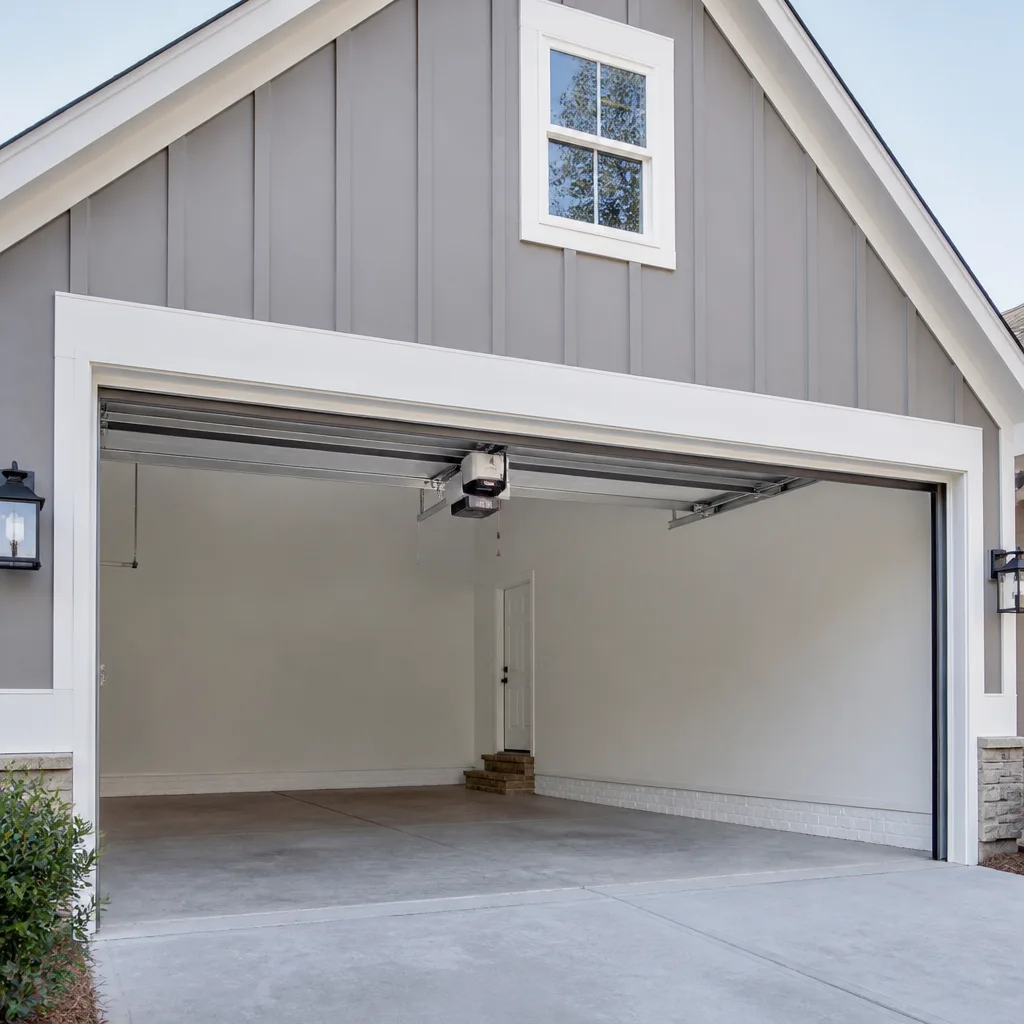
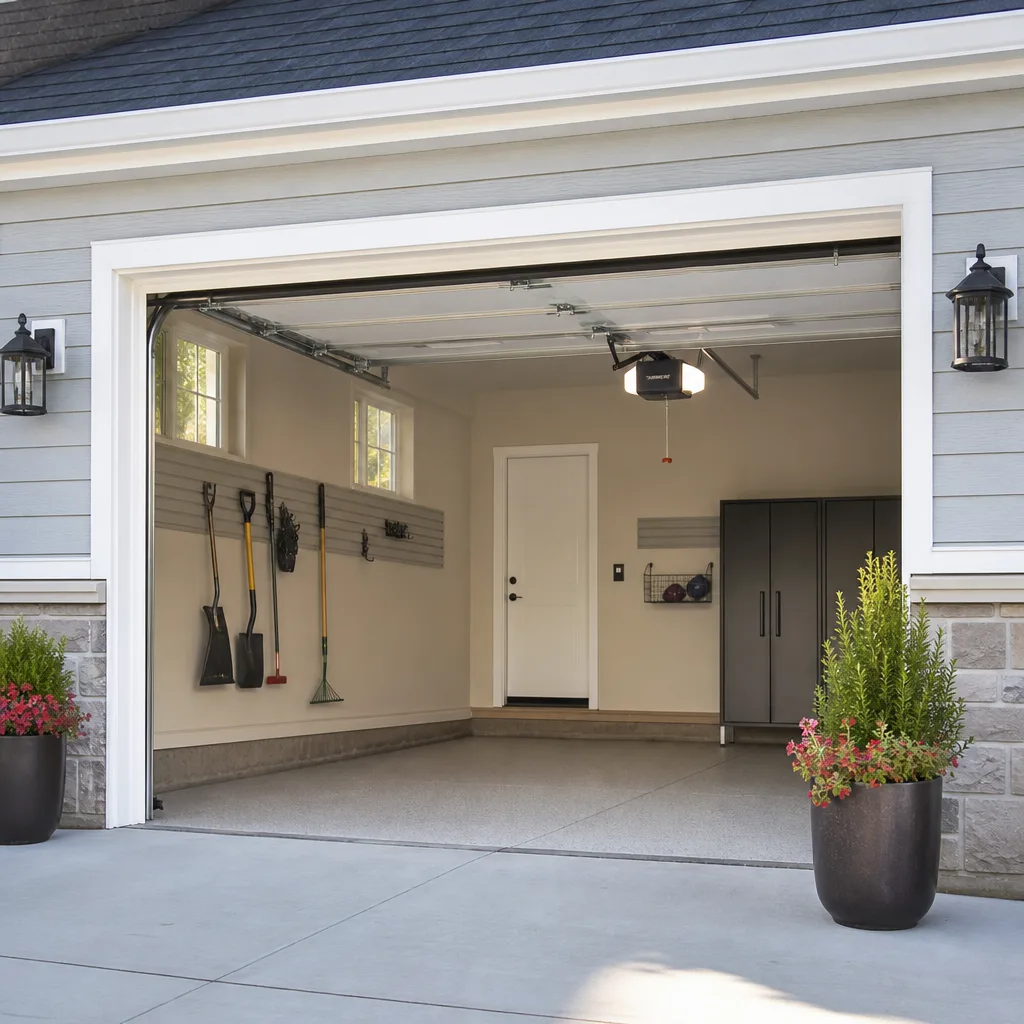
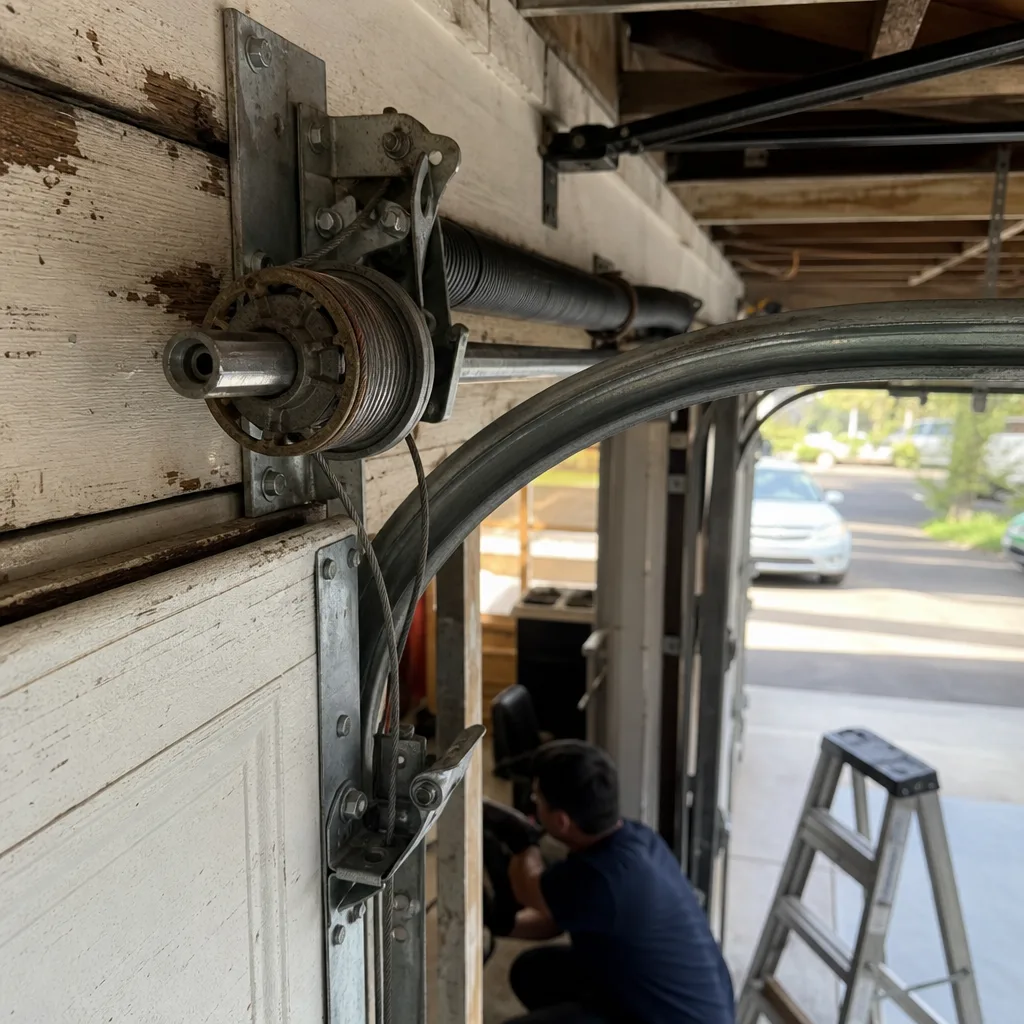 Before
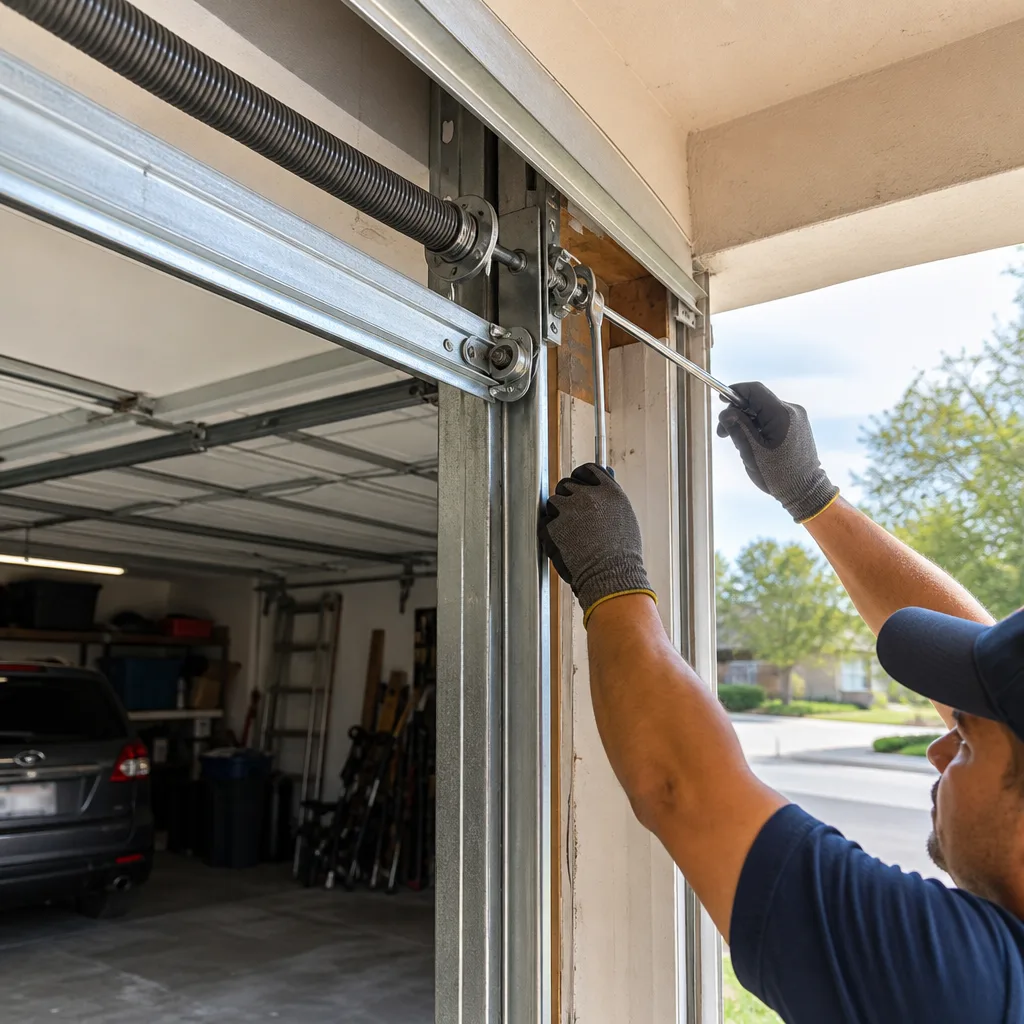 After
After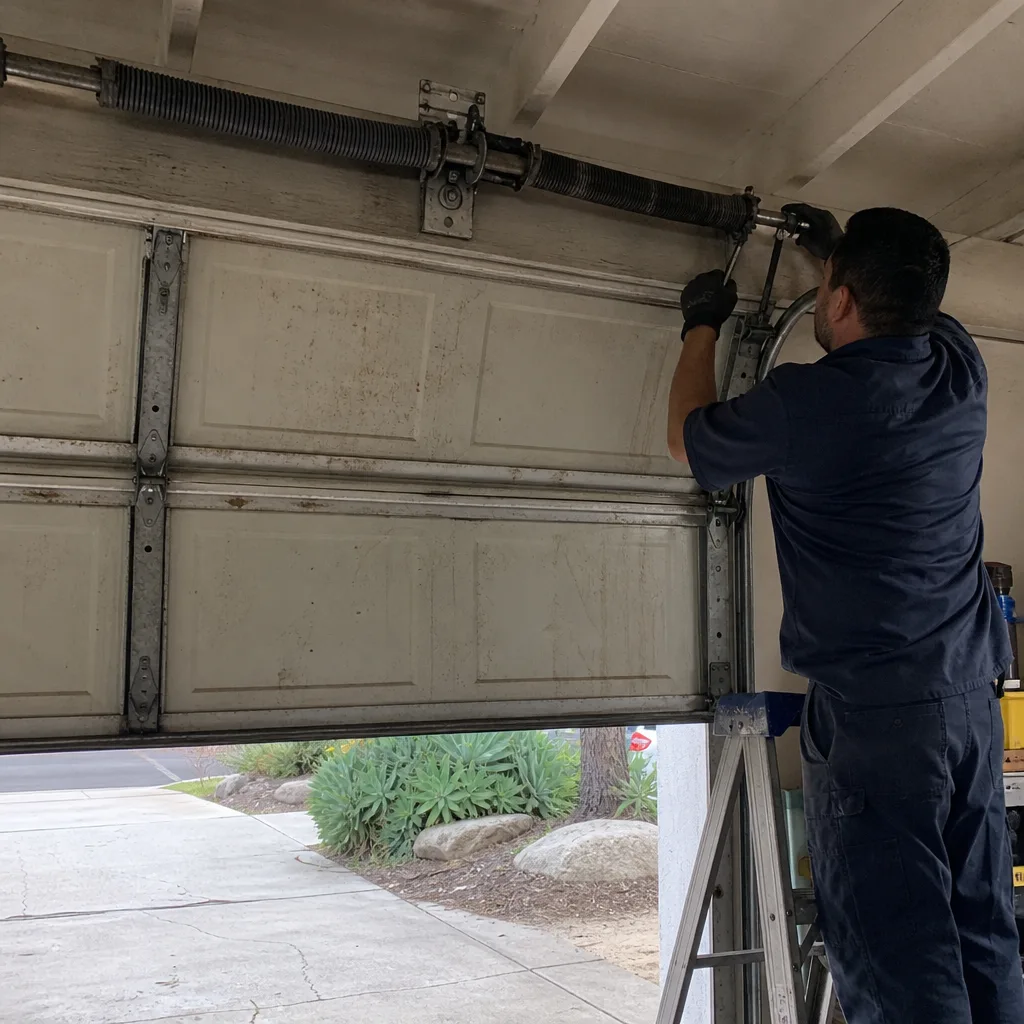 Before
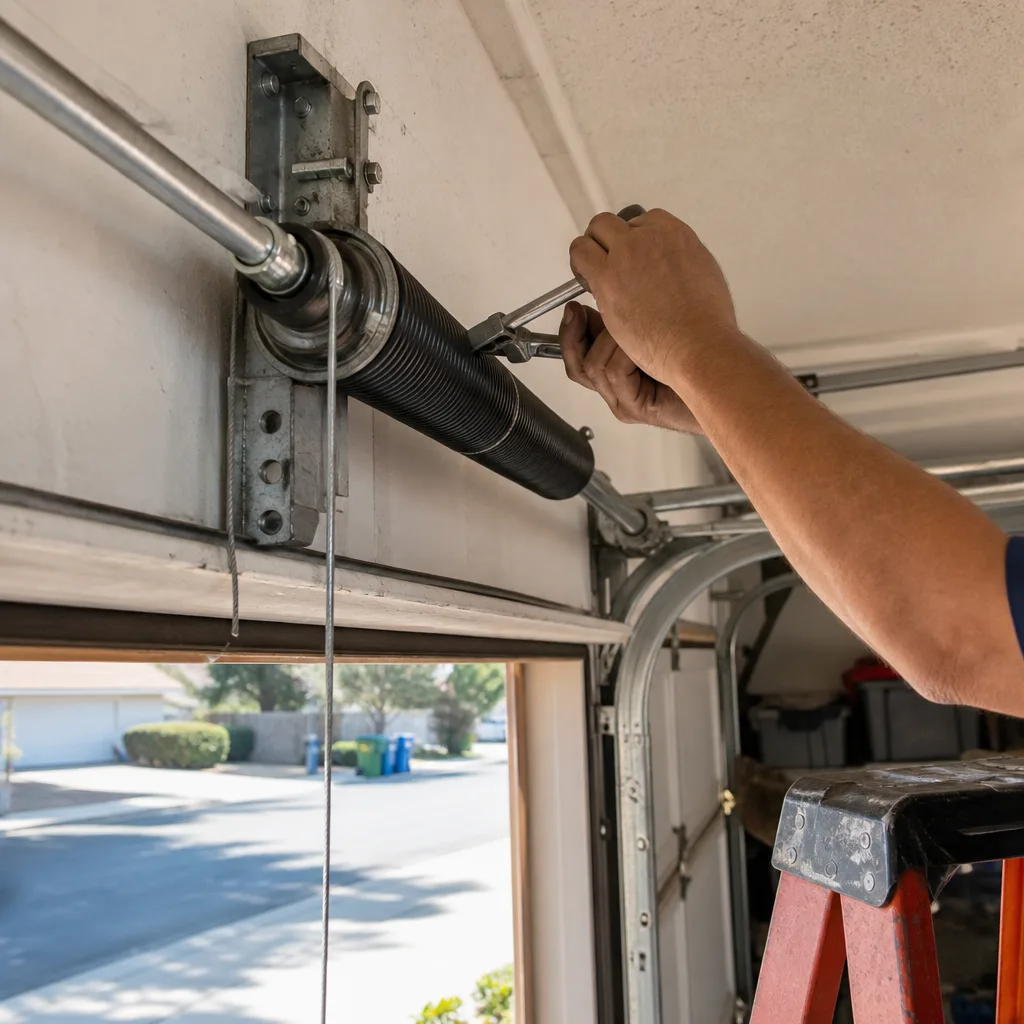 After
After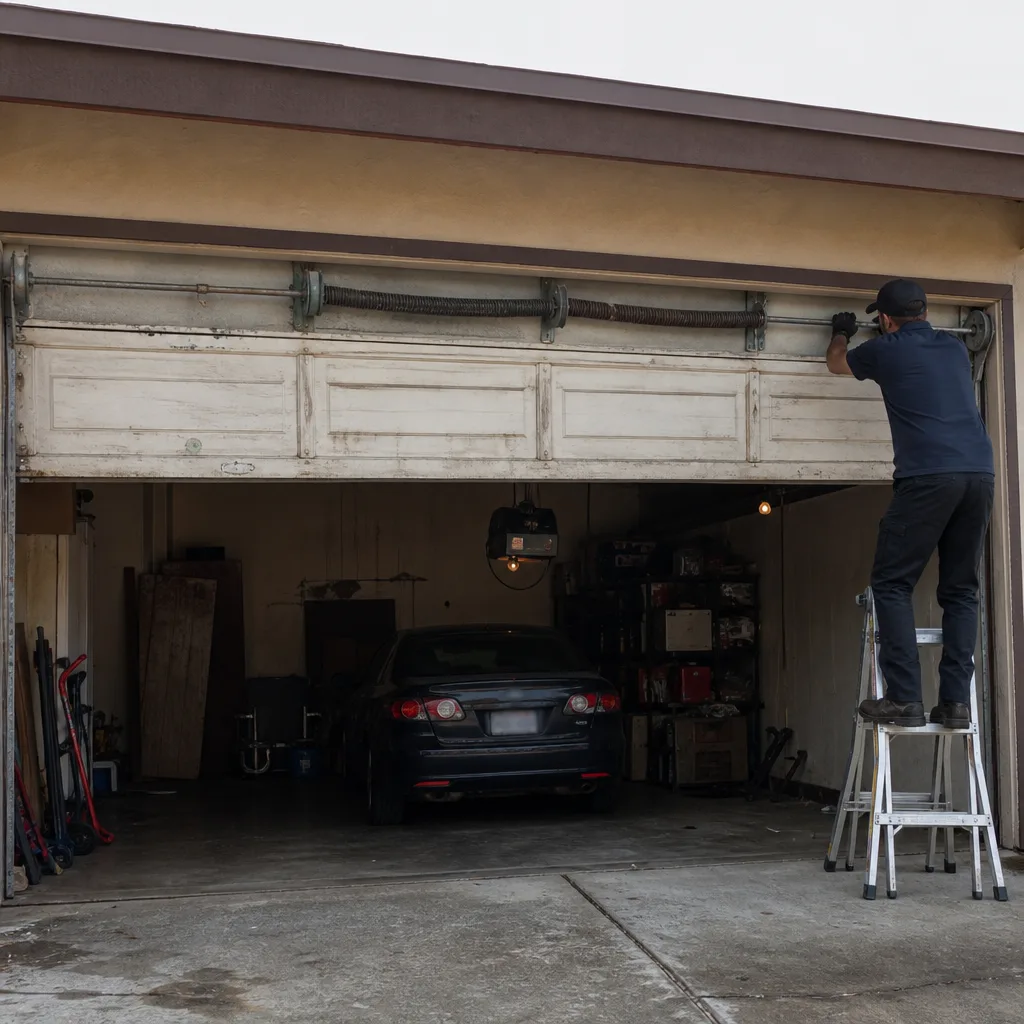 Before
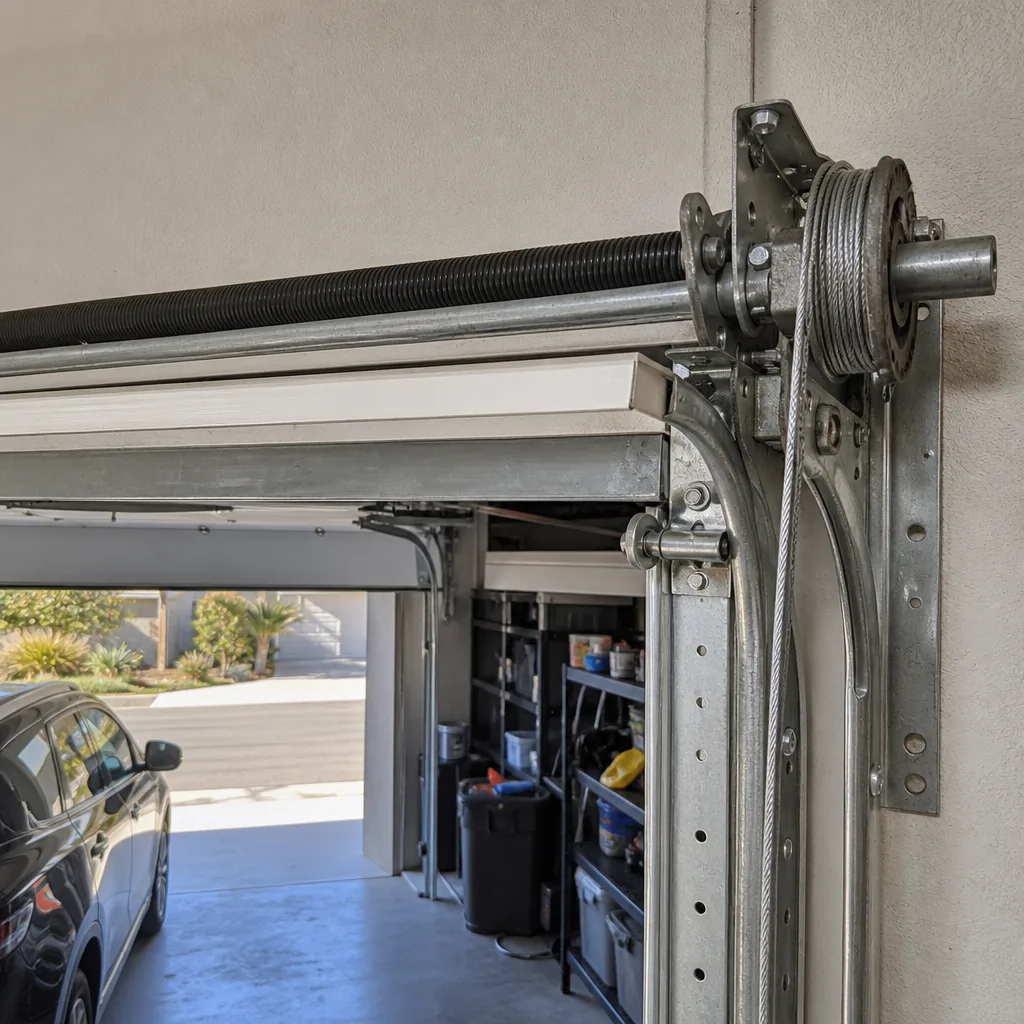 After
AfterGarage Door Cost Breakdown: The Poway Homeowner’s Reference for 2026
When two quotes for a garage door replacement in Poway come back $900 apart, the difference is almost never profit margin. It’s spring grade, hardware quality, or what happens to the old door after it comes off the tracks. Most homeowners don’t know which questions to ask, so they default to the lowest number and hope for the best. This guide breaks down exactly where your money goes on every major garage door job in 2026, what the line items mean, and how to compare proposals without getting burned. For Garage Door Warning Signs: A Poway Homeowner’s Reference Guide, see our companion post. By the time you finish, you’ll know more about garage door pricing than most estimators who knock on doors in Poway.
Quick Answer
Garage door replacement in Poway typically runs $1,400 to $4,800 in 2026, depending on material, insulation, and hardware grade. Spring replacement lands between $180 and $380, cable replacement $150 to $280, and a new opener $450 to $1,200 installed. The real cost variable isn’t the door panel itself, it’s the hardware you can’t see: springs, rollers, tracks, and what the installer does with the old equipment.
Table of Contents
- Poway Garage Door Pricing: What These Numbers Actually Mean
- The Hardware Spectrum: Contractor-Grade vs. Residential-Grade vs. Commercial-Grade
- The Five Line Items Every Legitimate Proposal Must Include
- Repair vs. Replace: The Honest Math
- Material-by-Material Replacement Costs in Poway
- How Otto Prices Jobs: A Plain Framework Any Homeowner Can Use
- Common Mistakes to Avoid
- When to Call a Professional
- Frequently Asked Questions
- The Bottom Line
Poway Garage Door Pricing: What These Numbers Actually Mean
Before we get into line items, you need the raw numbers. These are 2026 ranges we see consistently across Poway, Rancho Bernardo, Scripps Ranch, and the surrounding county. Not national averages. Not what a blog in Ohio says. What homeowners in this specific market actually pay.
Here’s the breakdown for the most common jobs:
- Single spring replacement: $180 to $280. Includes the spring, labor, and a basic safety inspection of the other hardware.
- Double spring replacement: $250 to $380. Most doors have two springs, and replacing both even when only one breaks is standard practice. The springs wear at the same rate.
- Cable replacement (both sides): $150 to $280. Cables rarely fail alone. Something usually caused it, and a decent contractor checks for that cause.
- Roller replacement (full set): $120 to $220. Nylon rollers are quieter and cleaner than steel. Steel rollers are cheaper but grind on the track.
- Track realignment or replacement: $180 to $400 depending on damage. Bent tracks are often a symptom, not the root problem.
- Panel replacement (single panel): $250 to $550. Matching a panel to an older door is tricky. Colors fade, manufacturers update designs. Sometimes it’s cheaper to replace the door than to order a custom-matched panel.
- Full door replacement (single door, steel): $1,400 to $2,800 installed. This includes removal of the old door, new tracks, new springs, new rollers, and haul-away.
- Full door replacement (single door, wood or composite): $2,400 to $4,800 installed. Wood doors weigh more, which means heavier-duty springs and more labor to hang and balance. You’re also paying for the material itself, which is not cheap.
- Opener replacement (motor only, labor included): $450 to $850 for chain drive. $600 to $1,200 for belt drive, which is quieter and better for attached garages. Smart-enabled openers from Chamberlain and Genie with battery backup run on the higher end.
Poway’s climate plays a real role here. The dry heat and Santa Ana winds put more stress on torsion springs than coastal humidity. Springs degrade faster in temperature swings. If you live in the hills around Poway, where mornings are cold and afternoons are hot, you’ll replace springs on the earlier side of their lifespan. A spring rated for 10,000 cycles might get you 7 or 8 years inland before it snaps. Coastal homeowners in Carlsbad or Del Mar can stretch the same spring further. If you’re getting quotes and want the full picture on repair pricing specifically, our Garage Door Repair in Poway page goes deeper into troubleshooting and emergency scenarios.
The Hardware Spectrum: Contractor-Grade vs. Residential-Grade vs. Commercial-Grade
Here’s the single biggest reason two Poway quotes for the same door can differ by $600: the hardware grade buried in the proposal. Most homeowners never see this. They see “new door” and a dollar amount. But the door panel is just the thing you look at. The springs, rollers, and hinges are the things doing the work.
There are three general grades you’ll encounter:
Contractor-grade (also called builder-grade or economy): These are the cheapest springs on the market. They’re often rated for 5,000 cycles. In plain terms, that’s about 4 to 6 years of normal use in Poway. Contractor-grade rollers are steel with no bearings. They’re loud and they wear the track down over time. Builders install these because they’re inexpensive and the house is going to be sold before the spring fails. If you’re buying a home in Poway that was built 15 years ago and still has the original springs, you have contractor-grade hardware. Plan for a replacement sooner than later.
Residential-grade (also called standard or upgraded): These springs are rated for 10,000 cycles. That’s roughly 8 to 12 years in Poway for a door that opens twice a day. Residential-grade rollers are nylon with sealed ball bearings. They’re quiet, they don’t chew up the track, and they extend the life of everything else. Most quality garage door companies, including us, consider this the minimum acceptable standard for a home that’s going to be lived in. See our Garage Door Repair Maintenance Checklist for Poway Homeowners for what to check between service visits.
Commercial-grade (also called high-cycle): Springs rated for 25,000 to 50,000 cycles. This is overkill for most homes, but it makes sense in specific Poway situations: if you use your garage as the primary entrance, if you have a workshop in there, if the door opens 5 or 6 times a day, or if you plan to stay in the home for 15+ years. Commercial-grade hinges and rollers last as long as the door itself. You can ask for a quote with commercial-grade springs. A reputable contractor will tell you honestly whether it’s worth the extra money. We do this all the time. Sometimes the answer is no, and we’ll say that.
How to ask about grade in a quote: “What cycle rating are the springs, and what material are the rollers?” If the answer is vague, or the contractor doesn’t know what a cycle rating is, that tells you something. It tells you they’re selling panels, not hardware. A door is 200 pounds riding on two springs. Respect it.
The brands matter less than the grade. Chamberlain and Genie make good openers, but even a top-brand opener strains when the door isn’t balanced. Clopay and Amarr make solid door panels. The grade of the springs and rollers underneath matters more than the logo on the outside.
The Five Line Items Every Legitimate Proposal Must Include
When you get a written estimate for a garage door job in Poway, there are five line items that should appear. If any one of them is missing, ask why. A proposal that hands you a single number with no breakdown is not a bid. It’s a guess, and not a good one.
Here’s what a proper proposal looks like:
- Materials with specifications: Not just “door.” It should say the brand, model or style, material, insulation R-value, color, and panel configuration. It should specify spring model, cycle rating, and quantity. It should specify roller material. If the word “standard” appears where a spec should be, that’s a red flag. Standard to one contractor means contractor-grade. Standard to another means residential-grade. Make them write down what standard means.
- Labor broken out separately: A legitimate proposal separates materials from labor. This matters because it lets you compare labor costs across proposals. If a contractor refuses to separate them, they’re either embarrassed by their labor rate or they’re hiding material markup. Either way, you deserve to know.
- Removal and haul-away of the old door: This is a line item. Old doors weigh hundreds of pounds. They don’t fit in a standard trash bin. Some contractors quietly assume you’ll handle disposal, which is how a $1,400 bid becomes a $1,600 job with dump fees. Make sure “removal and disposal included” is written on the estimate.
- Hardware and install components: New tracks, brackets, springs, rollers, and fasteners. On a full door replacement, these should be included in the material line or listed as a separate hardware line. If a quote says “new door” but doesn’t mention new springs, you’re paying for a new door on worn-out springs. The installer will set it up, and six months later you’ll have a broken spring on a brand-new door. That’s not a warranty issue. That’s a bad proposal.
- Permit or code compliance note (if applicable): Most residential garage door replacements in Poway don’t require a permit. But if you’re in a community with an HOA (and Poway has plenty), there may be design review requirements. A professional who works in Poway regularly should mention this. If your installer has never heard of a design review, they haven’t worked here long. We’ve been in this county since 2004. We know which Poway HOAs require what.
If a proposal is missing any of these five things, it’s incomplete. Not necessarily dishonest, but incomplete. And an incomplete proposal is how you end up with a surprise line item on the final invoice. The price should be quoted and agreed before any work starts. Not after.
For more detail on what a full installation should include, see Garage Door Installation in Poway.
Repair vs. Replace: The Honest Math
Here’s the part most salespeople won’t tell you: the repair-versus-replace calculation isn’t just about the cost of fixing what’s broken today. It’s about the cost of what’s going to break next year. And the year after that.
Let’s lay out the honest math for a typical Poway home with a 15-year-old steel door.
Say the spring snaps. That’s $180 to $280 to replace. Fine. But the door is 15 years old. The other spring is the same age. The rollers are worn. The cables show signs of fraying. The opener was installed at the same time as the door and it’s grinding. The track is slightly out of alignment from years of use.
You replace the spring for $250. Three months later, a cable snaps: $220. Then a roller seizes up: $180. The opener motor burns out from dragging an unbalanced door: $500. Within 18 months, you’ve spent $1,150 on a door that’s still 15 years old, still dented, still uninsulated, and still on borrowed time. Plus you’ve scheduled four service calls and taken four mornings off work.
Now compare: a new steel door with residential-grade springs, new rollers, new tracks, and a new opener, all installed with haul-away included: about $2,200 to $3,200 depending on insulation and opener choice. You get a door that’ll last 15 to 20 years, a spring with a fresh 10,000-cycle rating, and a warranty that starts today, not 15 years ago.
The repair math works when the door is under 10 years old and the rest of the hardware is in good shape. Fix the spring, keep the door. The replace math works when you’re looking at the second or third repair in a two-year window. Ask anyone on your street, we’ve been in this county since 2004. The homeowners who keep patching old doors spend more over five years than the ones who replace once and forget about it.
There’s also the safety factor. An aging door with mixed hardware, a tired opener, and unbalanced springs is more likely to fail catastrophically. A door that comes off its tracks can injure someone. A spring that snaps at the wrong moment can do serious damage. If you’re on the fence and the door is 15+ years old, the honest advice is usually replacing it.
Material-by-Material Replacement Costs in Poway
The material you choose for a replacement door drives more of the price than any other single factor. Here’s what each material actually costs in the Poway market in 2026, and what you’re paying for.
Steel (single-layer, no insulation): $1,400 to $1,800 installed. This is the entry-level replacement. Fine for detached garages or homes where the garage isn’t used as living space. In Poway’s summer heat, a non-insulated steel door will turn your garage into an oven. If your water heater is in the garage, if you have a home gym in there, or if the garage shares a wall with the house, spend more for insulation.
Steel (double-layer or insulated): $1,800 to $2,800 installed. This is the workhorse of Poway garage doors. Insulated steel doors keep the garage cooler in summer and warmer on cold winter nights. The R-value matters: look for R-9 to R-12 minimum if the garage is attached or conditioned, and R-16+ if you’re converting the garage or want maximum efficiency. The price jump from single-layer to insulated steel is usually $400 to $700. It’s the best value upgrade on the market.
Wood or wood-composite: $2,400 to $4,800 installed. Wood doors look beautiful and add real curb appeal to Poway homes with Spanish or ranch styling. But they’re heavy, which requires heavier springs and more labor to install correctly. They also need periodic maintenance: sealing, painting or staining, and checking for warp in the dry heat. Wood-composite doors from Clopay and Amarr offer the look with less maintenance, but they’re not cheap. The Poway premium on wood isn’t markup. It’s material cost and the extra hour of balancing a door that weighs twice what steel weighs.
Aluminum frame with glass panels (full-view): $2,800 to $5,000+ installed. These are the modern, high-end doors you see on new construction in Poway and Rancho Bernardo. They’re not practical for most homes, but if your garage is a showpiece, this is the route. Expect the higher end if you’re doing a custom color or frosted glass.
One honest note about panel replacement versus full door replacement: if your door is more than 10 years old, the panel color will never match perfectly. Sun exposure in Poway fades paint and stains. A new panel from the same manufacturer will be brighter than the rest of the door. Some homeowners are fine with it. Others, understandably, aren’t. We always tell people this before they spend $400 on a panel that will be visibly different.
Your opener choice matters too. If the opener is struggling, the problem is almost never the opener. Usually the door is out of balance and the motor is working twice as hard. A quality belt-drive opener from Chamberlain or Genie with smart features runs $600 to $1,200 installed. But replace the opener without fixing the balance, and you’ll be replacing the opener again in three years. For more on openers specifically, see Garage Door Opener in Poway.
How Otto Prices Jobs: A Plain Framework Any Homeowner Can Use
I want to explain how we price jobs at Otto’s Garage Door, not as a sales pitch, but as a framework you can use to evaluate any contractor’s proposal in Poway. Because the more you understand about what drives cost, the harder it is for anyone to overcharge you.
Every garage door job has three cost components:
- Time on site: A spring replacement takes 45 minutes to an hour. A full door replacement takes 3 to 5 hours depending on size, material, and whether the track needs modification. Opener replacement is 1 to 2 hours. Time is predictable. I know how long a job takes before I arrive, because I’ve done thousands of them in this county.
- Materials at cost plus standard markup: I pay a certain price for springs, rollers, tracks, and openers. I mark them up enough to cover ordering, inventory, and warranty support. That’s not a secret. If you ask, I’ll tell you the material cost and my markup. Most contractors won’t, but I’d rather you understand the math than wonder if you got taken.
- The risk premium (or lack of it): This is the one most homeowners never hear about. Some contractors build a risk premium into every bid because they’re not sure what they’ll find when they arrive. A door that’s been abused, a track that’s bent behind the drywall, a garage floor that’s settled. I don’t price for hypotheticals. I quote the job on the phone, hold the number when I get there, and if something genuinely unexpected comes up, I stop work and talk to you before doing anything that costs more. Upfront pricing that doesn’t change between the phone and the driveway.
What I charge for a spring replacement is based on the spring grade, the number of springs, and the time. I count spring cycles the way you count tire miles, and I’ll tell you what’s left on yours. If your existing springs still have half their life, I’ll say so. If they’re shot, I’ll say that too. I’m not in the business of selling you springs you don’t need. I’m in the business of being the name you call when you need an honest answer.
The 90-Day Done Right Promise is written on every invoice. If it’s not done right, we make it right. One call to me, not a customer-service queue. And the Senior & Veteran 10% discount? That’s permanent. Because the community comes before the margin. That’s the L.O.C.A.L. values code: Local roots, On time, Community first, Accountable, Loyal.
When you’re comparing bids from three Poway contractors, ask each one the same five questions: What spring cycle rating are you installing? What material are the rollers? Is removal and haul-away included? What’s the warranty, and who do I call if something fails? Will the price change once you see the door? The answers will tell you more than the dollar amounts.
If you want a starting point, Otto’s Garage Door home page has more about how we work and what we stand behind.
Common Mistakes to Avoid
- Buying on price alone: The cheapest quote is often the one with the caveats. Contractor-grade springs, no haul-away, steel rollers, vague “standard” specifications. Comparing price without comparing line items is how you end up paying twice. If three bids vary by $600, find out why before you pick the lowest one.
- Assuming all springs are the same: They’re not. A 5,000-cycle spring and a 10,000-cycle spring look identical. One lasts 4 years in Poway’s heat. The other lasts 9. If the quote doesn’t say, ask. If the contractor can’t answer, walk.
- Replacing a spring and ignoring the other one: When one spring on a double-spring door snaps, the other is the same age and worn to the same degree. Replacing both costs $70 to $100 more than replacing one. Not replacing both means you’ll be back in six months for the second one, plus another service call fee. We always recommend both.
- Buying an opener to fix a balance problem: If the door is hard to lift manually, the problem is the springs or the track, not the motor. A new opener on an unbalanced door fails early and burns out the motor. Fix the balance first, then evaluate the opener. If the opener is straining, the problem is almost never the opener.
- Not checking the warranty language: A “lifetime warranty” often covers the door panel only, not the springs, rollers, or labor. Some warranties are pro-rated after 3 years, which means you pay most of the replacement cost yourself. Ask what the warranty covers, for how long, and who does the labor if something breaks. Written, on the invoice.
- Skipping the second opinion: If a quote feels high, get another one. A legitimate contractor will offer a free second opinion on any written estimate. We do, no trip charge inside the county. The $600 difference between two bids is worth understanding before you sign anything.
When to Call a Professional
If a spring snaps, call someone who does this every day. Torsion springs are under extreme tension, and the energy stored in them can cause serious injury if released improperly. Same with cables and tracks: these parts carry the weight of a door that can weigh 200 pounds or more. If the door is off its tracks, if the spring is broken, if the cables are frayed or snapped, or if the opener is sparking or smoking, stop using the door and call a professional. These are not jobs to figure out from a YouTube video. A door is 200 pounds riding on two springs. Respect it. Otto’s Garage Door offers free estimates in Poway, call (858) 330-1549. If it’s 9pm and your car is sealed inside, a live person still answers.
Frequently Asked Questions
A full garage door replacement in Poway runs $1,400 to $4,800 installed, depending on material, insulation, size, and hardware grade. Steel is the low end, wood composite and full-view aluminum are the high end. The installed price includes removal and haul-away of the old door if the bid is written correctly. Call (858) 330-1549 for a free estimate with the five line items we discussed above.
Contractor-grade springs last 4 to 6 years in Poway’s heat; residential-grade springs last 8 to 12 years; commercial-grade can go 15 years or more. The dry heat and temperature swings in inland San Diego County stress springs faster than coastal climates. Ask what cycle rating your springs have, and we’ll tell you what’s left on them.
It shouldn’t. If a contractor quotes you a price on the phone, that number should hold when they arrive, unless something genuinely unexpected is discovered and discussed with you before work proceeds. Otto’s Garage Door quotes jobs on the phone and holds the number. The price is agreed before any work starts, and it doesn’t change after.
The difference is almost always hardware grade, labor breakdown, or what’s included in the bid. One quote may include residential-grade springs, nylon rollers, new tracks, and haul-away. The other may use contractor-grade springs, steel rollers, and assume you’ll dispose of the old door. Compare line items, not bottom lines. Ask each contractor the five questions from this guide.
Usually not. When you’re facing your second or third repair in a two-year window on an older door, the cumulative cost of repairs will approach or exceed the cost of a new door, and you’ll still have an old door. Replace once, get a fresh warranty, and stop bleeding money on service calls. If the door is under 10 years old and otherwise sound, repair often makes sense.
Yes. We offer a permanent Senior & Veteran 10% discount on every job. No forms, no verification by fax, no expiration date. It’s part of how we operate in Poway. We also offer $40 off any repair over $200 and a free second opinion on any written estimate, with no trip charge inside the county. Call (858) 330-1549 for an exact quote.
The Bottom Line
Garage door pricing in Poway is confusing because contractors bundle things differently. The way through the confusion is to demand line items, understand hardware grades, and ask the same five questions of every bidder. A $600 difference between quotes isn’t a mystery. It’s spring cycles, roller materials, and whether the old door gets hauled away. Know what you’re paying for, and the number stops being the scary part. For more guides & resources, visit our blog. If you want a quote with every line item explained in plain English, call Otto’s Garage Door at (858) 330-1549. The name on the van is the name on the invoice.
Written by Otto Reinhardt, Owner at Otto’s Garage Door, serving Poway since 2004.